
Ask a few practice owners what an NPI is and you will get a few different answers. Some think it is a license. Some think it belongs to the business. A fair number are not sure whether they have one, or two, or the wrong kind.
It is a simple idea once you separate the two types, so here is the plain version.
What an NPI is
The National Provider Identifier is a 10-digit number that identifies a healthcare provider in the United States. It is free, it is issued through the federal registry, and it does not expire. It is not a license, and it does not say you are qualified or credentialed. It is just an ID that payers and clearinghouses use to know who you are.
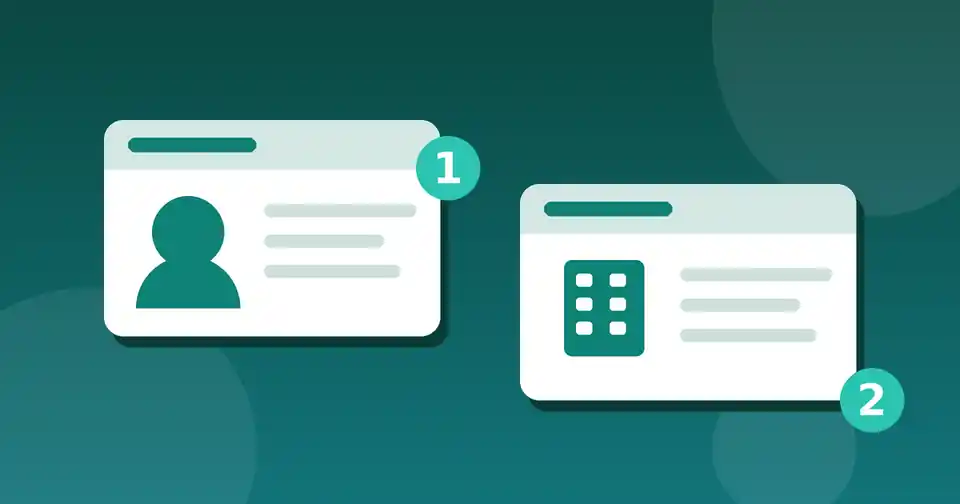
Type 1: you, as a person
A Type 1 NPI belongs to an individual clinician. A therapist, a nurse practitioner, a physician. It follows you for your whole career. If you change jobs, move states, or open your own practice, you keep the same number and update the details attached to it. You should never need a second one.
Type 2: the organization
A Type 2 NPI belongs to a business that provides healthcare, such as a group practice or a clinic. It is for the entity, not for any one person in it. When people say “group NPI,” this is what they mean.
So which do you need?
It depends on how you set up your practice and how you bill.
- You work alone, and bill under your own name. You usually only need your Type 1.
- You have a group, a clinic, or an entity that bills under its own name and tax ID. You will usually want a Type 2 for the organization, in addition to a Type 1 for each clinician.
- You are a solo clinician who formed an LLC or similar entity. Whether you need a Type 2 depends on how you plan to bill and what each payer asks for. This is the one worth confirming before you apply, instead of guessing.
If you are not sure, ask the payer what they expect on the application. It is a short question, and it saves rework later.
Where people get tripped up
Names that do not match. The name and tax ID in the registry should line up with your IRS paperwork and with what you put on payer applications. A small difference, such as the legal name on one and a shortened version on another, is enough to cause a question.
Out-of-date details. The registry record includes your practice location, and it is public. If you moved, changed your name, or added a specialty, update it. Anyone can look you up, including payers checking an application.
Paying someone for a number. The registry is free. If you are asked for money to get an NPI, that is not how it works. You can apply yourself through the official site.
Getting a second Type 1. Occasionally a clinician registers a new number at a new job without realizing they already had one. You only ever need one. Look yourself up first, and use the number that is already yours.
A quick check you can do today
Search yourself in the public NPI registry. Look at the name, the taxonomy (the specialty code), and the practice address. If anything looks out of date, fix it. If your organization should have a Type 2 and does not, add that to your list before you start applying to payers.
If you are sorting out how your practice should be set up before applying, we are happy to help you think it through. You can see what we handle, or schedule a short meeting.
This article is general information, not legal or financial advice. Requirements vary by payer and by how your practice is structured.
Comments
No comments yet. Questions and thoughts are welcome.
Leave a comment